
 I’ve been a little quiet on this blog for the past eighteen months as I’ve been busy writing a political thriller called The Missing Activist. It features a bumbling wannabe Wallander asked to find a campaigner who’s disappeared after reporting being bullied by senior members of his own party.
 I chose also to explore the politics of feminism as seen through the eyes of Muslim women raised in the liberal west but hankering for the lifestyle of a submissive Jihadi bride. Born in Kuwait, the ongoing battle between the religious and political ideologies which is causing so many of the problems today particularly interests me.
A major character in the novel is a bi-polar personality, Zinah Al-Rashid also trying to outfox our intrepid PI Karen Andersen. When Zinah’s not cruising Harrods, chatting to Isis brides over Whatsapp or radicalising teenagers, she’s planning a massive terror attack against the government.
The book opens with the apparent suicide of an anti-burka pro-feminist campaigner. She’s received death threats from a range of different factions as a result of her refusal to accept that the wearing of the full-face veil can be anything other than a step back into the middle-ages.
When I was involved in politics, the “B” word was the killer question. “If you were an MP would you back banning the burka?” Fortunately, as a thriller writer, I don’t have to answer any more apart from through the actions of my characters. But, for the purposes of this blog, and with burka bans increasing across Europe, what is the official feminist position?
Personally I am an admirer of the common sense approach of Ayaan Hirsi Ali. Raised a devout Muslim, she often asks why feminists defend vigorously a woman’s right to choose to wear the hijab (usually those who do not live under the constraints of Sharia law) but grow sulkily silent over those who defy it and risk punishment. Surely they are the ones more in need of support than anyone?
There’s a possibility this is a left-right stance. i.e those who support the cover-up see it more as an expression of anti-colonial oppression than a dress-code forced on women to keep them within cultural limits. Also, that it’s a form of rejection of the West’s sexualisation and objectification of women (which was a sixties ardent feminist position) as if they are saying ‘I’m not playing that male-pleasing game!’
I’ll be blogging about the other women’s issues I’ve covered in The Missing Activist as they crop up in the news.
 Only in March of this year a book shop in the US was turning books by men backwards to highlight the gender imbalance in the literary world. It seemed either everyone preferred male stuff, or there was still the old bias against female authors. Maybe men just wrote more. After all, if women speak 12000 words a day and men only 4,000, as claimed by Louann Brizendine in The Female Brain, what are they doing with all those thoughts?

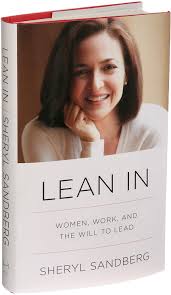 n envy of those who are more successful to the new term “imposter syndrome” (for those who are successful but don’t feel they should be) women seem to suffer anxiety as a result of trying to match their peers far more than men do. Am I good enough as I am? My answer, yes you probably are, maybe more so than you think.
 There’s a story in the media of

 The whole reason for the burka, the burkini, niqab etc is that they are items of modesty clothing. While it is not essentially called for in the Koran, the female “cover up” has become a strong cultural statement of women in Islam.
 Veiling up appears to be no longer about protection against the stares of muslim males who apparently can’t control their sexual urges at the sight of a bared shoulder. It is now more about one-upmanship and following fashion!


